Divorced Mom. No Money. No Clue. Just Donuts and a Law Nobody Told Me About.
How I stumbled onto a buried law that let me build a donut business from my kitchen — and turned it into a franchise with 50+ locations across the country. No storefront. No commercial kitchen. No experience required.

I was recently divorced.
Trying to figure out how to make money. Trying to figure out how to be there for my kids. Trying to figure out… everything.
I didn’t have a plan. I didn’t have a business background. I didn’t have startup capital or some genius idea or a mentor who was gonna show me the ropes.
That search turned up something called a cottage food law — a law that lets you make and sell food products right from your own home kitchen. Legally. No commercial space. No $2,000/month kitchen rental. No storefront. No employees.
I had no idea this thing even existed. But I thought… okay. Let’s go.
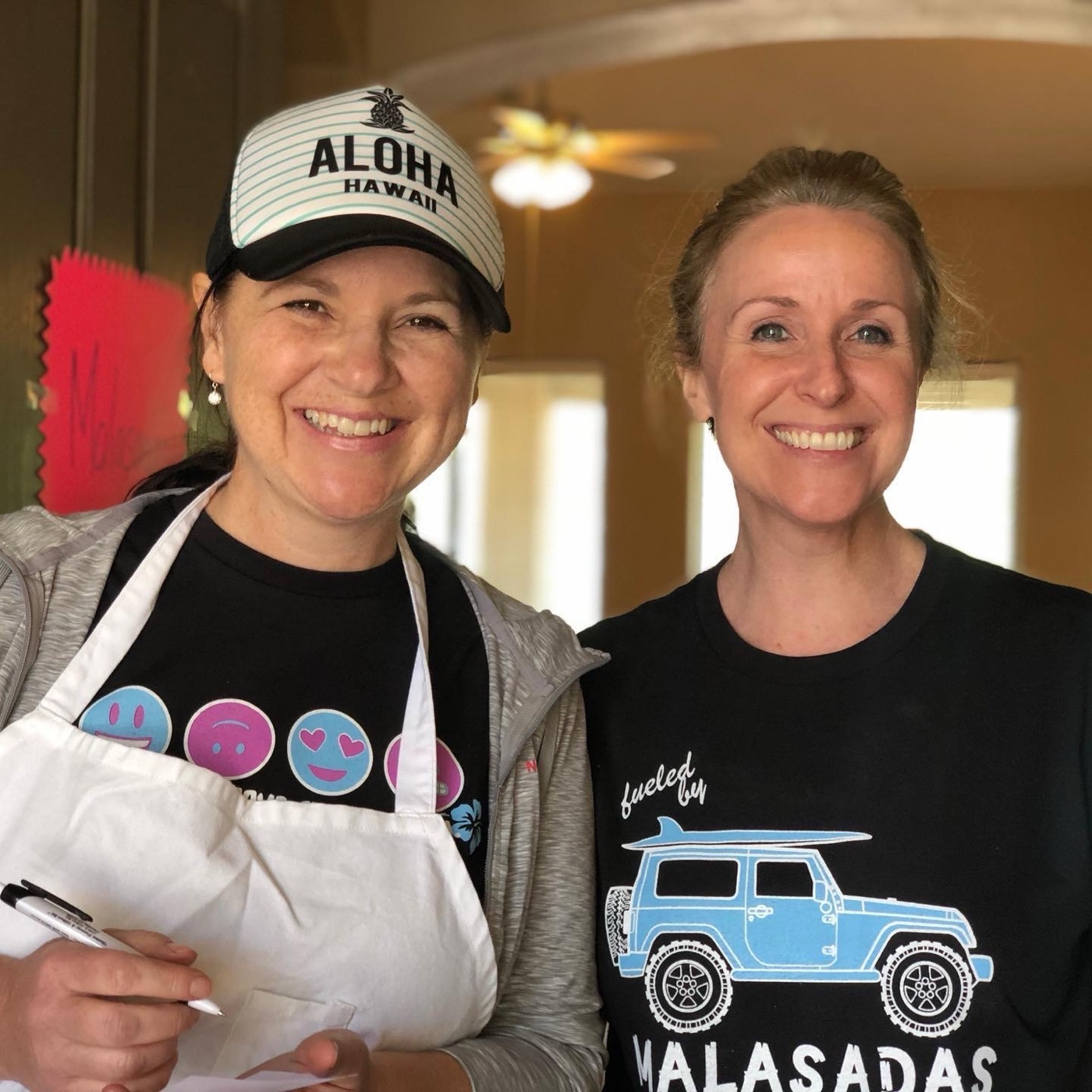
So I started making donuts from home. I had absolutely no idea what I was doing. I just went for it and figured things out as I went. Made a LOT of mistakes. Learned from every single one of them.
Nobody taught me. No mentor. No roadmap. No manual. Just me, my kitchen, my kids, and a whole lot of trial and error.
And then something happened. It started working. Not a little. A LOT.
It worked so well I eventually turned it into a franchise. That franchise now has over 50 locations across the United States.
Here’s the thing I keep thinking about — I didn’t need experience to do this. I didn’t need capital. I didn’t need a storefront or a food truck or a commercial kitchen or any of that stuff people tell you that you have to have.
I just needed the right product. The right system. And someone who’d already made all the expensive mistakes — so I didn’t have to.
That’s what I didn’t have. That’s exactly what I’m giving you today.
You’ve thought about a food business. Then you saw what it costs.
You’ve probably thought about starting a food business at least once. Maybe more than once. And then you started looking into what it actually costs:
- Food truck $75,000–$150,000
- Restaurant $200,000+
- Traditional franchise $25,000–$50,000
And just like that — the dream dies before it even starts.
But here’s what really gets me. It’s not just the money. It’s the TIME. You’ve still got a job. A family. A life. The idea of hauling equipment to events every weekend — depending on the weather, the coordinator, the vendor lineup, everything you can’t control?
And even if you found the money AND the time, there’s still that voice in the back of your head: “I don’t know anything about the food business. What if I fail?”
That voice is loud. I know, because I had it too.
Here’s what I want you to understand: that’s not a YOU problem. That’s an INFORMATION problem. Nobody told you there was another way — that you could start small, from home, with almost zero overhead, and build something real.
The three things going through your head right now.
Neither did I. Honestly? Zero. I was a divorced mom who needed to make money — that was my entire qualification. No culinary school. No business background. No mentor. I found a law that said I could make food from home, and I went for it. The learning curve is real — I won’t sugarcoat that. But I made all the mistakes for you, and packaged everything I learned into a system. So you don’t have to figure it out alone like I did.
A traditional franchise is $25,000–$50,000 just to walk in the door. A food truck, $75,000–$150,000. Our franchise investment is $5,000. That’s it. No commercial kitchen rental. No storefront. No employees eating your profits before you even get started. You work from your existing kitchen, with equipment you probably already own. That’s the whole point of the cottage food law — it levels the playing field.
This one I really get — when I started, I had kids at home and was doing everything myself. Here’s the truth: this business works because of your life, not in spite of it. You make donuts in the morning. You sell them on your schedule. You work two days a week or five — that part’s up to you. No boss. No commute. No asking permission.
Not all food products are created equal.
Most people starting a food business pick products that doom them before they even start. Things that spoil. Things that need refrigeration. Things that have to be served hot or they’re garbage within an hour.
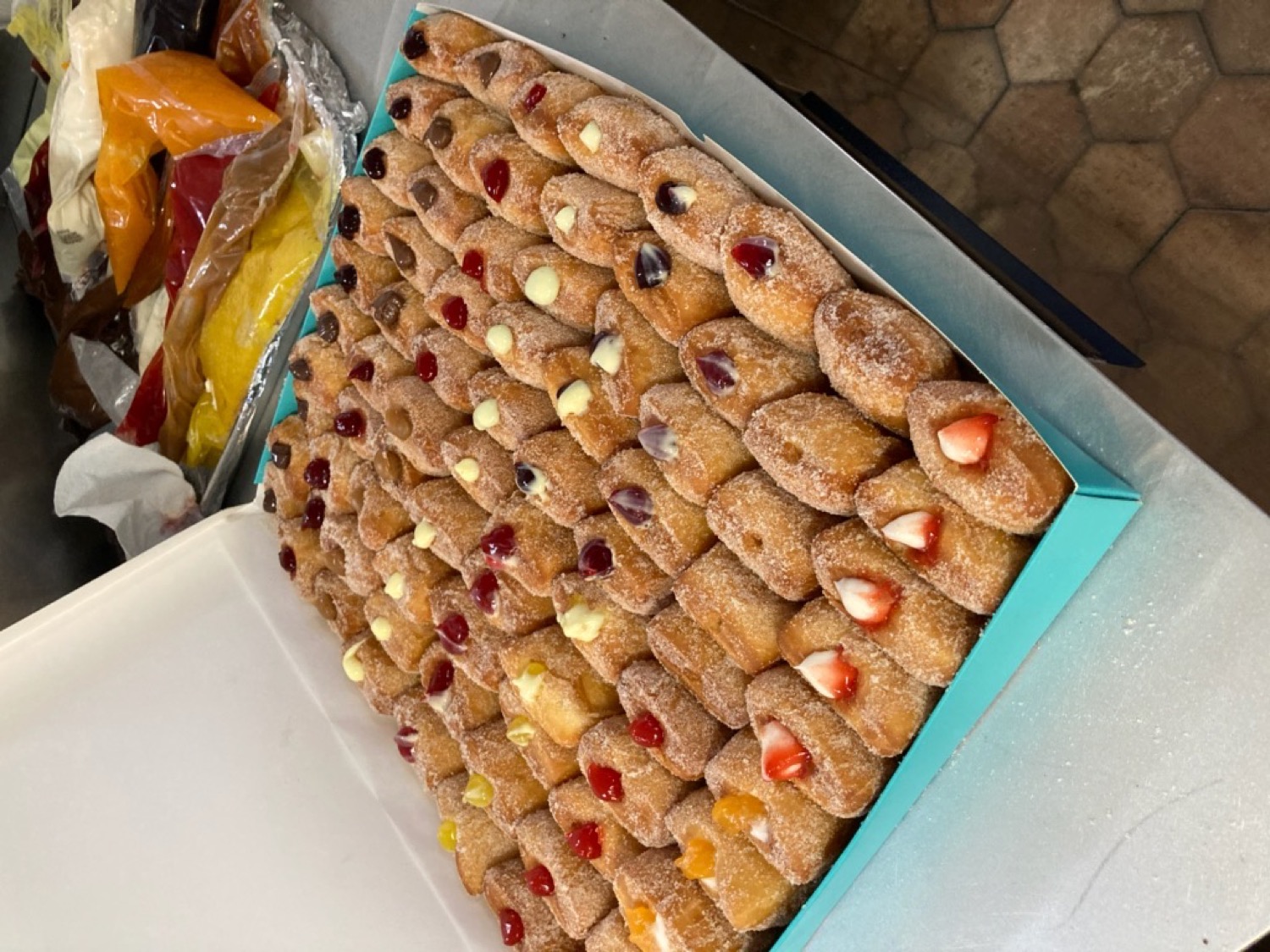
I found something different. Malasadas. Hawaiian donuts — crispy on the outside, fluffy on the inside, and honestly, completely addictive.
But here’s the part that changed everything: they’re completely shelf stable. Make them in the morning, sell them all day. No refrigeration. No reheating. No spoilage. No timing stress.
And because they’re shelf stable, you’re not trapped in one place selling them one way. That’s not a food business. That’s a system.

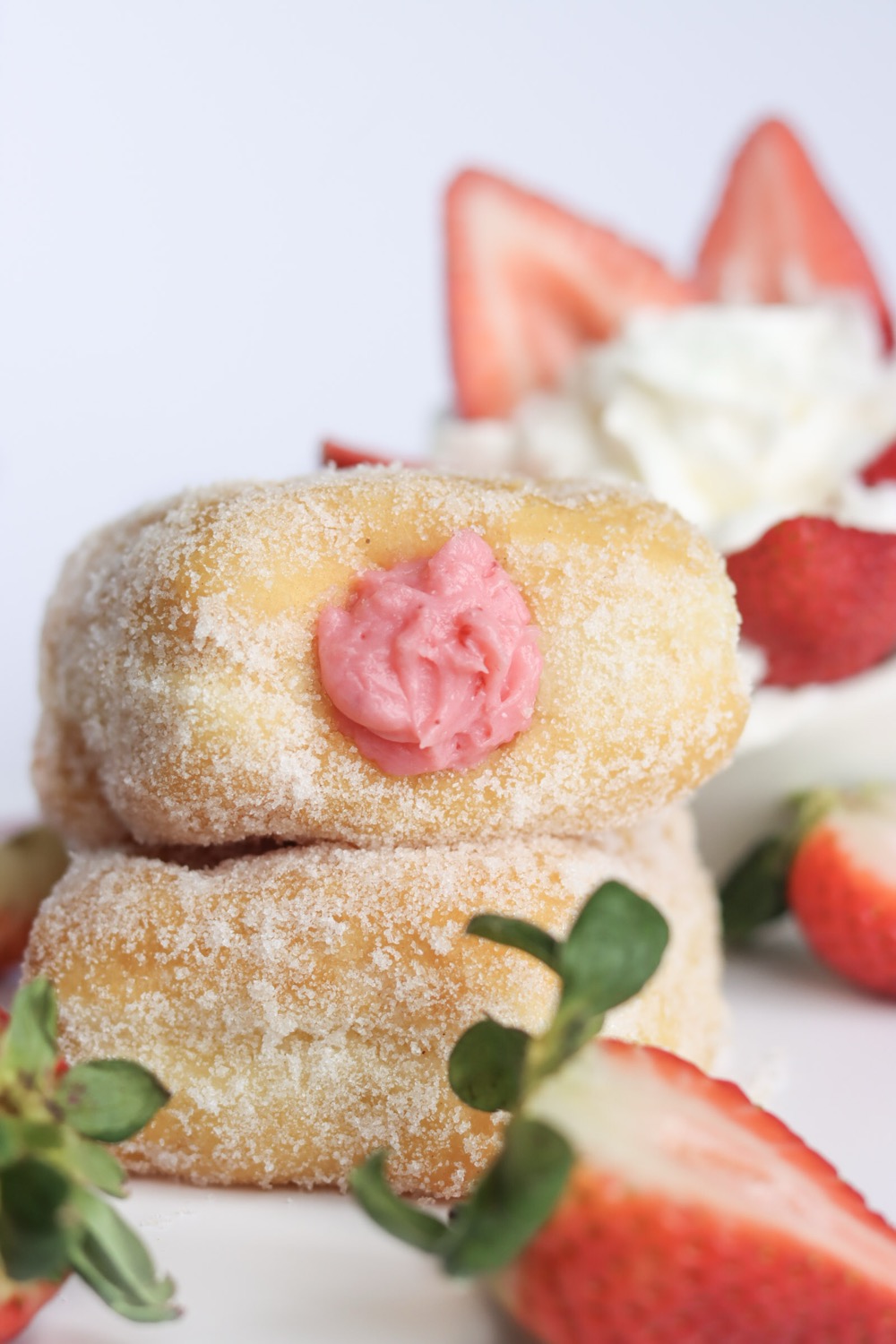
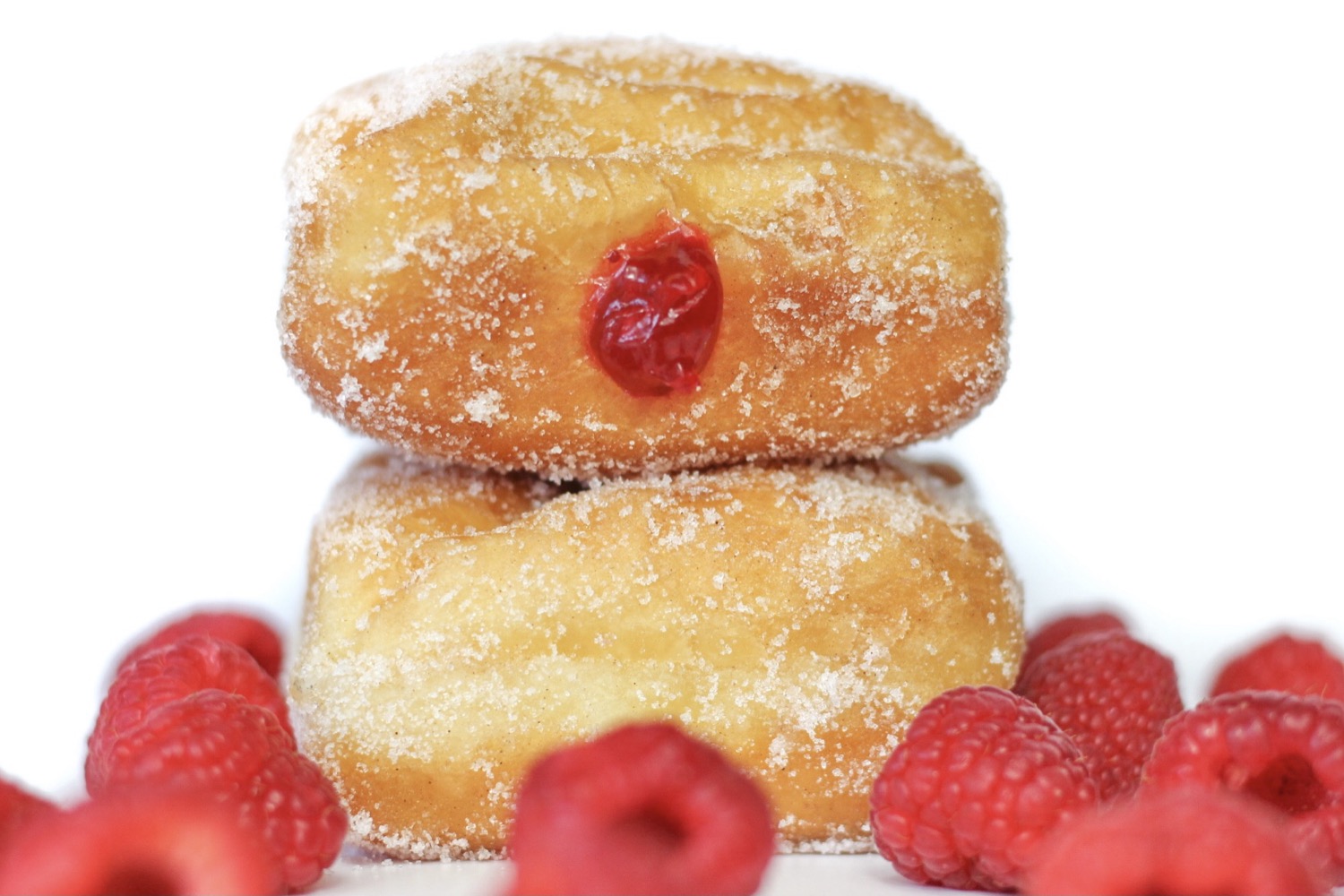
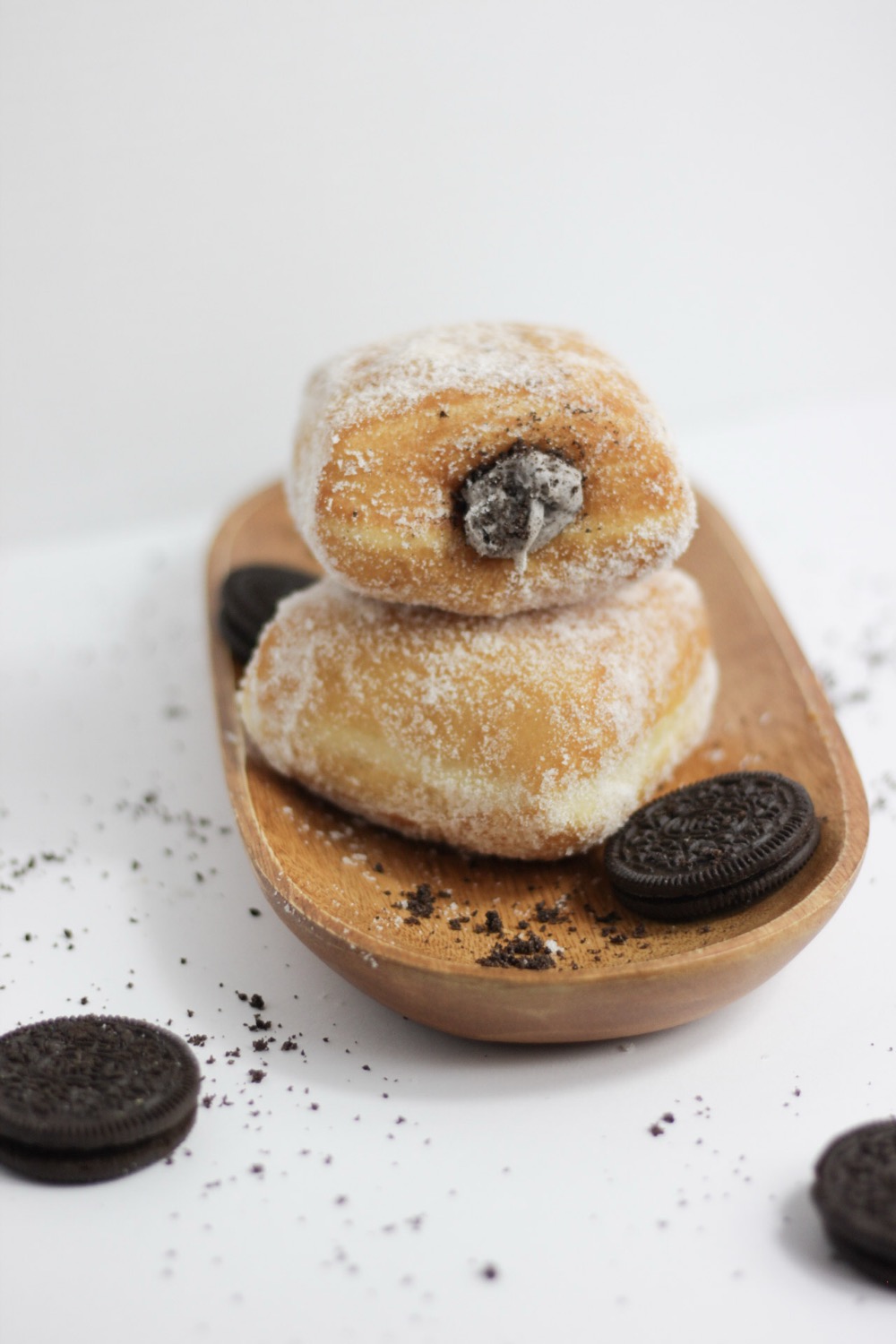
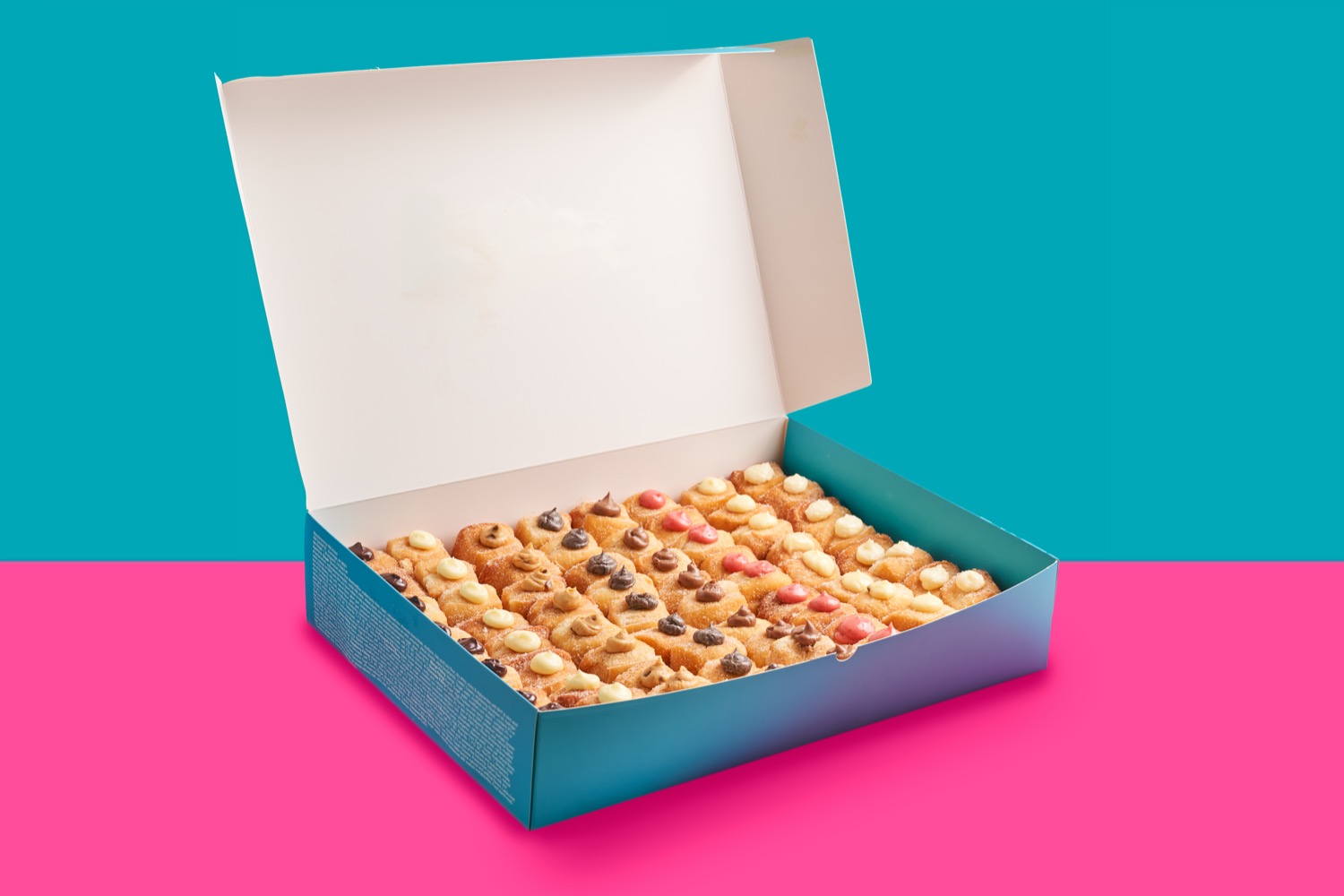
Most food businesses give you one way to make money. This gives you eight.
Show up. Sell. Go home. Repeat. That’s not a business — that’s a job.
Let’s say you had a slow Saturday. Bad weather. Dead event. You packed up early and went home with half your product. In a normal food business, that’s just a bad week.
But what if a school fundraiser order came in that same morning? And a wholesale order from a local coffee shop? And three dozen donuts someone ordered online the night before — while you were asleep?
That slow Saturday doesn’t hurt you anymore. Because you’re not depending on one thing going right. That’s what eight income streams actually means — not eight things to manage at once. Eight doors. So you’re never stuck waiting for one to open.
You don’t have to do all of them on day one. You just have to know they’re there — and we teach you all of it, step by step, one at a time, with a real coach in your corner the whole way.
The Wiki-Licious Franchise System — everything I wish someone had handed me on day one.
Complete Training Program
We start from scratch — no experience required, and I mean that literally. Product mastery, legal setup, licensing, compliance, all laid out step by step with zero guesswork. Plus a full professional branding package: logo, packaging, website. Everything you need to look like you’ve been doing this for years — even if you started this morning.
AI-Powered Marketing Machine
An all-in-one CRM that tracks every customer. Automated email and text marketing that brings people back. AI that writes your social posts and emails for you. A complete POS, and online ordering so customers can buy while you sleep. Most businesses pay $400+ a month just for these tools. You get all of it — fully set up, fully trained — included.
Personal Coaching + Ongoing Support
This is the part I feel most strongly about — because I didn’t have it. You get a dedicated coach assigned specifically to your success. Real calls. Real answers. Real guidance whenever you need it. And we don’t stop showing up — not for 30 days, not for 90 days. We stay with you as you get up and running. This is a partnership, not a transaction.
Protected Territory
One franchisee per area. Once your territory is claimed, it’s gone — nobody else from Wiki-Licious can come into your backyard and compete with you. That protection is yours.
A real business that you actually own.
I did it the hard way once. I wouldn’t go back.
I opened a real bakery once. Commercial space. Employees. All of it. And yes — it worked. But I also worked insane hours, dealt with employee drama, and our shop got broken into eight times. Eight times.
I finally looked at everything I was dealing with and thought: wait — the home-based model was actually better. Less stress. No employee headaches. No overhead eating my profits before I could even enjoy them. That’s when I stopped doing it the hard way — and started teaching other people to skip it altogether.
Here’s what I love about these stories. Dona wasn’t a food person. Kristy just wanted a little more flexibility. The Oloa family wanted freedom. None of them had it all figured out before they started. They just said yes.
And our franchisees come from every background you can imagine — retired couples, young families building something together, former corporate employees who wanted their time back, stay-at-home parents who needed flexibility, people with zero baking experience. The one thing they all had in common? They were done waiting for the right time. And done doing it the hard way.
People don’t need convincing to want a donut.
Baked goods are one of the most consistent, year-round cravings in the country. Fundraisers alone are a proven, in-demand channel — schools, teams, and churches are always looking for one. And because malasadas are shelf-stable, our franchisees aren’t limited to one way to reach people.
Eight income streams. From one kitchen. In their pajamas if they want.
I won’t pretend it’s risk-free. But you won’t do it alone.
Starting a business always has some risk — I’d be lying if I said otherwise. But here’s what I can promise. When I started, I had nobody, and every mistake cost me money and time I didn’t have. You don’t have to do it that way.
You get a dedicated coach assigned to your success. Real calls. Real answers. Real humans who actually pick up. And we don’t stop showing up — not 30 days, not 90 days. We stay in it with you as you get up and running.
Your success is our success. This is a partnership, not a transaction.
If you’ve read this far — something in you is saying yes.
Don’t talk yourself out of it. Here’s all I’m asking you to do right now:
One franchisee per area.
We only allow one franchisee per protected territory. Once your area is claimed, it’s yours alone — nobody else from Wiki-Licious can come into your backyard and compete with you. That protection is the whole point.
So before you decide, it’s worth two minutes to check whether your area is still open.
The choice is yours.
You can close this page and keep doing it the hard way. Or you can take two minutes — right now — and find out what’s possible.
The application is free. The call is free. What’s your freedom worth?
P.S. This isn’t just about donuts. It’s about building something real — on your schedule, from your kitchen, with your family. Something you’re proud of. I built this from nothing because I had no other choice. You have a choice. And you have something I didn’t — a system that already works. Don’t let that go to waste.
P.P.S. Even if you’re not 100% sure — just check if your area is available. Two minutes. No commitment. At the very least you’ll know what’s possible in your market.
This is not an offer of a franchise. An offer of a franchise can only be made through the delivery of a Franchise Disclosure Document (FDD). Any representations made are subject to the terms of that document. No statement on this page should be interpreted as a guarantee or projection of earnings; individual results vary.
Wiki-Licious · 1120 Huffman Rd #24-622, Anchorage, AK 99515 · wikidonuts.com/franchisenowhome